
Counterfeit Graded Cards
Plastic cases and labels are easily faked. But a card's unique physical texture never lies.
With DCT:
Microscopic fiber fingerprinting guarantees the authenticity of the card inside.
Every card has a fingerprint.
Give it its own
The first protocol that transforms the unique physical identity of a card into inviolable proof of ownership anchored publicly.
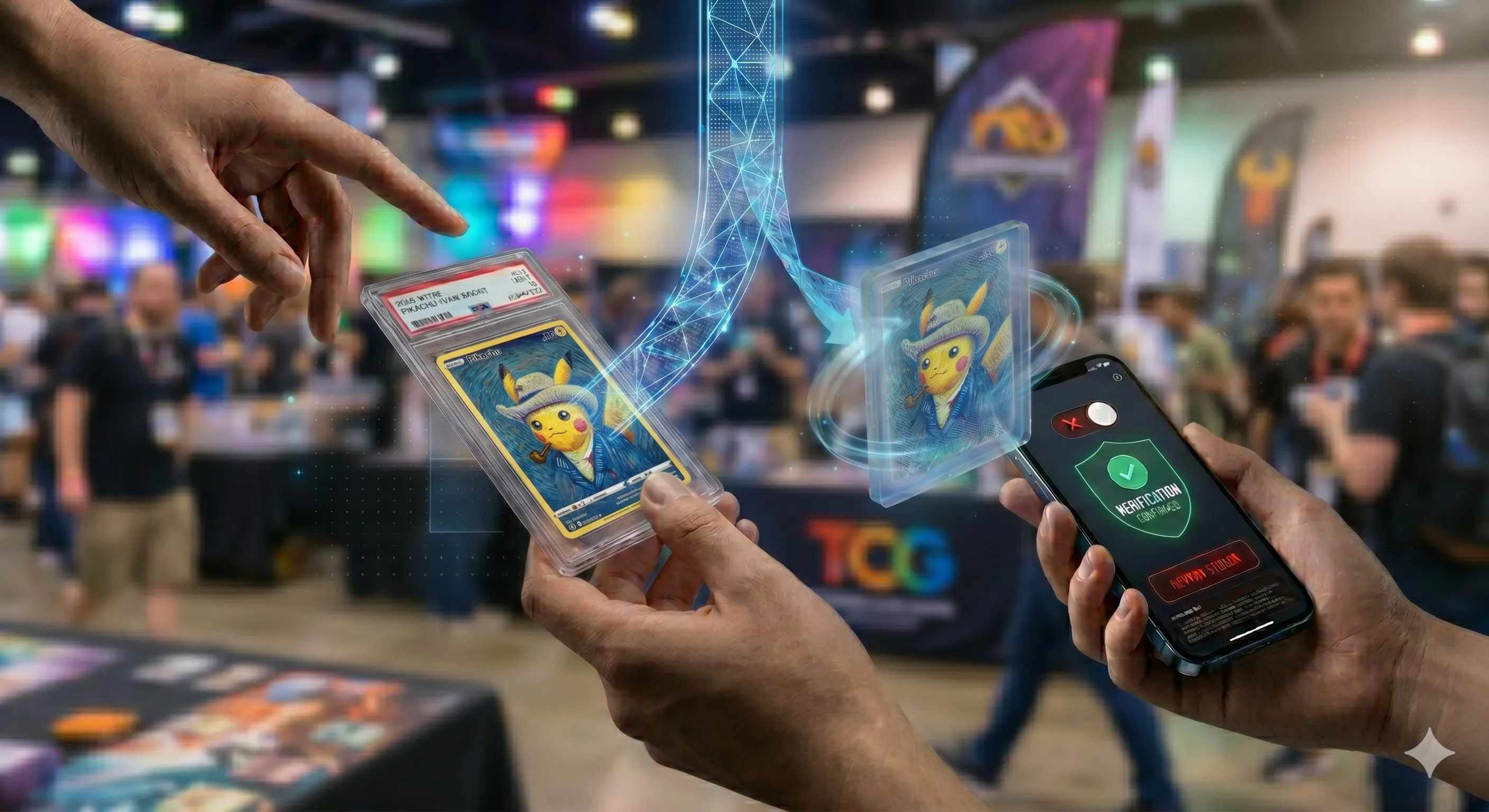
Today, graded card security relies solely on plastic. We link the physical authenticity of the card to a tamper-proof digital certificate.
Plastic cases and labels are easily faked. But a card's unique physical texture never lies.
Microscopic fiber fingerprinting guarantees the authenticity of the card inside.
There is no way to verify who truly owns a card before buying. Scams are common.
An unforgeable digital title deed instantly proves who the legitimate owner is.
Once stolen, high-value cards circulate and resell freely across marketplaces without any warnings.
Public 'Stolen' status: the certificate is frozen, making official resale impossible.
Help us fine-tune our technology before our upcoming meetings with grading industry leaders.
2 minutes • No account required
STEP 01
GRADATIONA collector ships their card to the grading company.
STEP 02
GRADATIONExperts validate authenticity, assess condition, and assign the official grade on the slab.
STEP 02+
PARTNERGrading companies submit certification data to DCT.
STEP 03
DCTOur system captures the card's physical fingerprint of that specific card.
STEP 04
DCTCard fingerprint details are stored into a secure, tamper-proof record.
STEP 05
DCTA Dynamic Authenticity Certificate is minted and linked to the physical card's unique fingerprint.
STEP 06
GRADATIONThe slabbed card goes back to the collector with its new DCT certificate.
STEP 07
DCTBuyers, sellers, and marketplaces instantly verify grade, current owner, theft status, and authenticity.
Payment happens on your preferred marketplace rails while title transfer is secured in DCT.
01
Seller posts the card with DCT proof and marketplace link. Adding the link is a publicly recorded action — the URL is stored in system state, publicly visible.
02
Seller locks the title for the buyer.
03
Card ships while the title stays reserved.
04
Buyer checks the card and confirms receipt.
05
Ownership moves atomically to the buyer. The transfer is recorded and auditable, completely transparent.
Payment happens on your preferred marketplace rails while title transfer is secured in DCT.
01
Seller posts the card with DCT proof and marketplace link. Adding the link is a publicly recorded action — the URL is stored in system state, publicly visible.
02
Seller locks the title for the buyer.
03
Card ships while the title stays reserved.
04
Buyer checks the card and confirms receipt.
05
Ownership moves atomically to the buyer. The transfer is recorded and auditable, completely transparent.
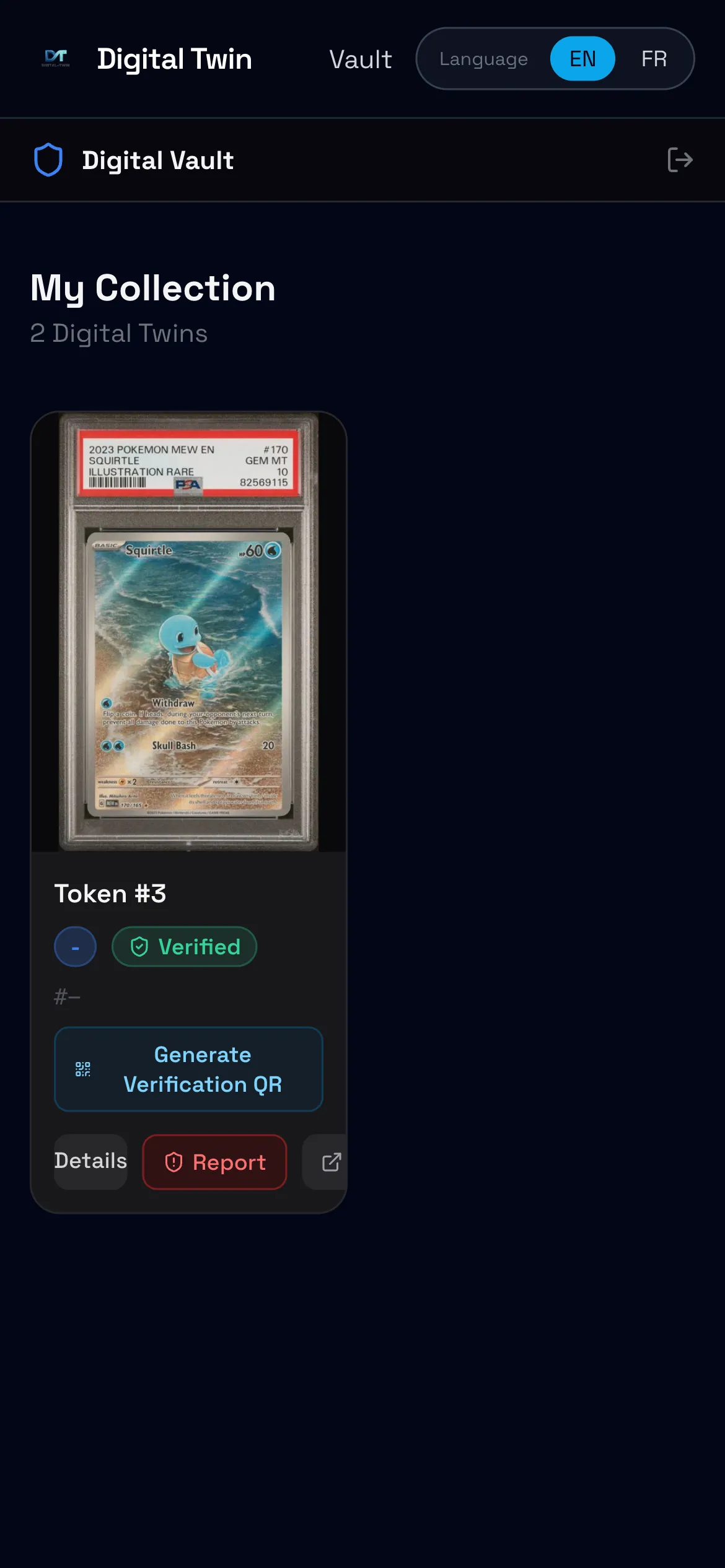
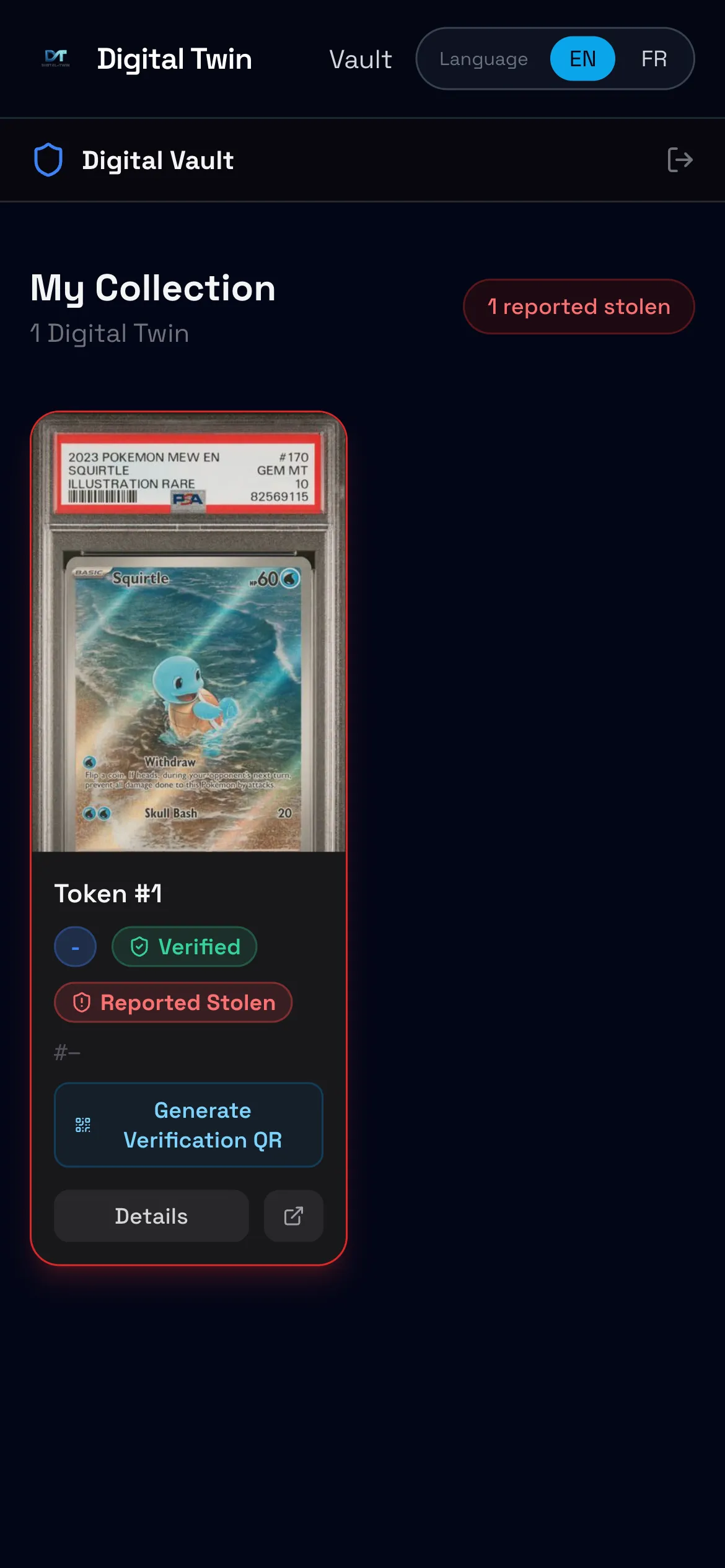
Owners can report a stolen card from the digital vault. The card's certificate is frozen with a public 'Stolen' status, making official resale impossible.
01
One click from the digital vault marks the digital-card-twin as stolen.
02
Your card is now marked as stolen. Any future verification will show a stolen alert for buyers and grading companies.
•Stolen alert visible on the public certificate page.
•Buyers can check the stolen status before purchasing.
•Any new certification submission will fire a duplicate alert for graders.
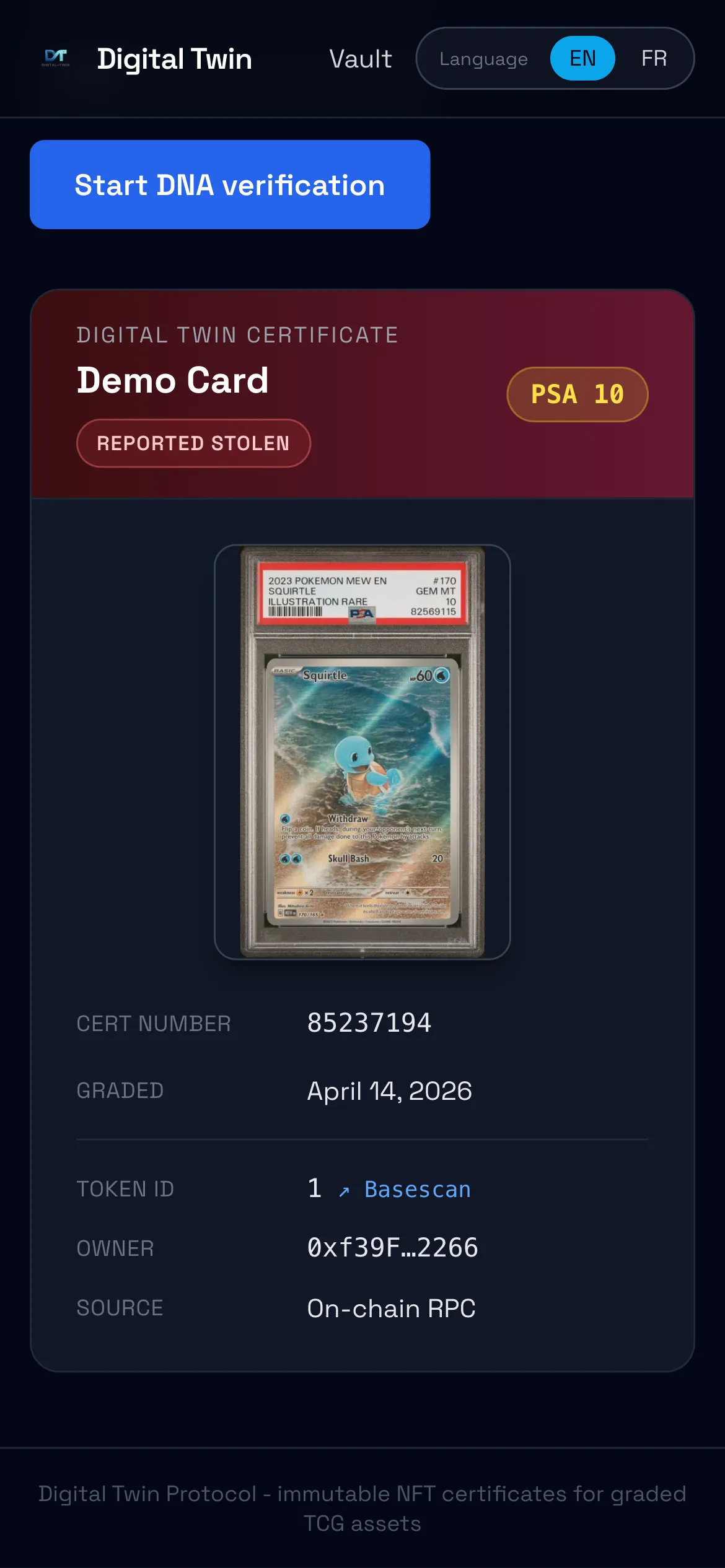
Owners can report a stolen card from the digital vault. The card's certificate is frozen with a public 'Stolen' status, making official resale impossible.
01
One click from the digital vault marks the digital-card-twin as stolen.
02
Your card is now marked as stolen. Any future verification will show a stolen alert for buyers and grading companies.
•Stolen alert visible on the public certificate page.
•Buyers can check the stolen status before purchasing.
•Any new certification submission will fire a duplicate alert for graders.
Feature Deep-Scan
A certificate number can be copied. The physical identity of a card cannot.
AI Fingerprinting
01/04Our technology does not read a label. It analyzes the card's unique physical characteristics.
Result: a Integrity Hash is generated and anchored publicly. If the card is removed or substituted, the signature no longer matches and the Twin becomes invalid.
Comparison Evidence
FINGERPRINT_MATCHING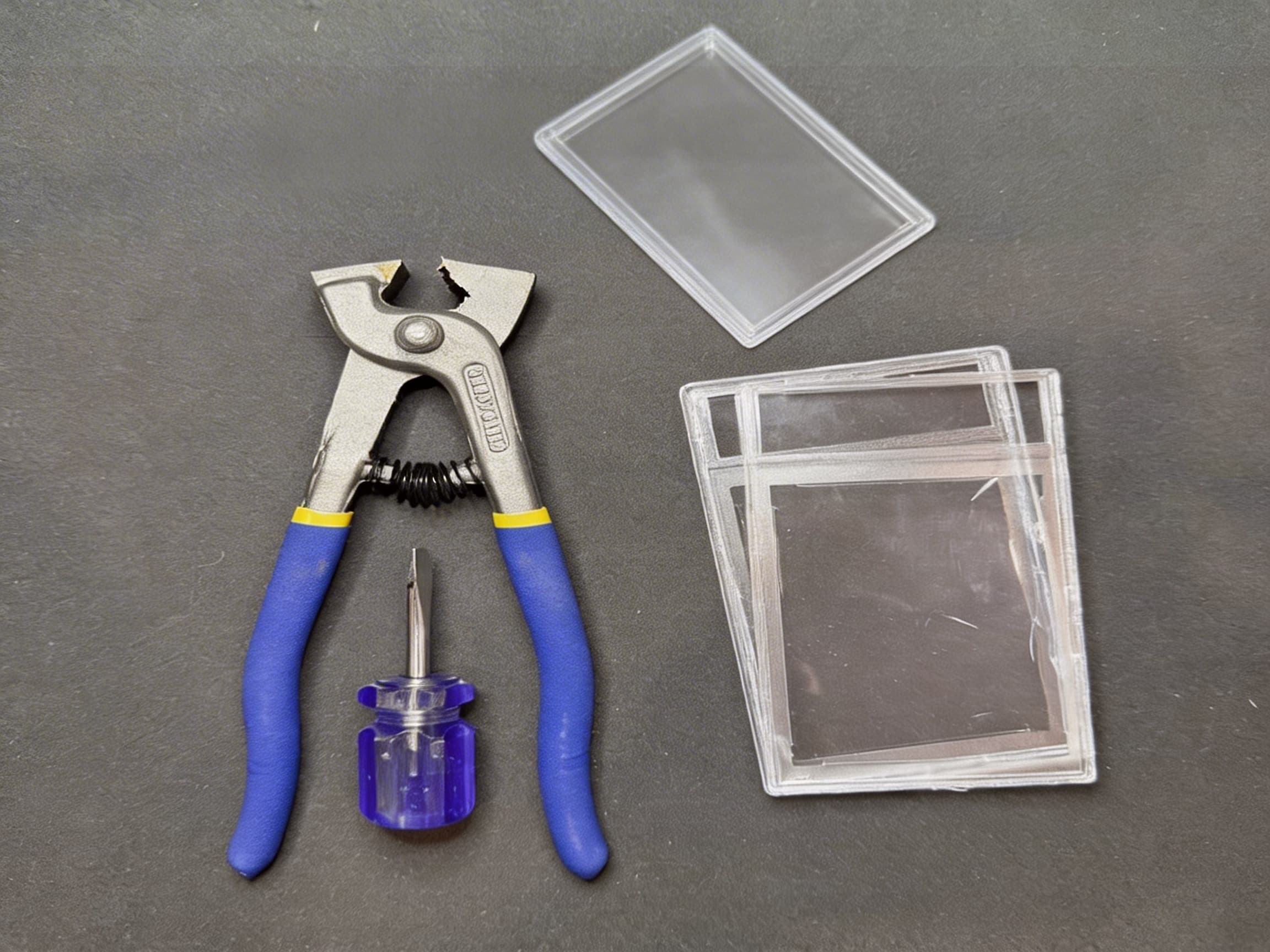
Slabs are vulnerable.
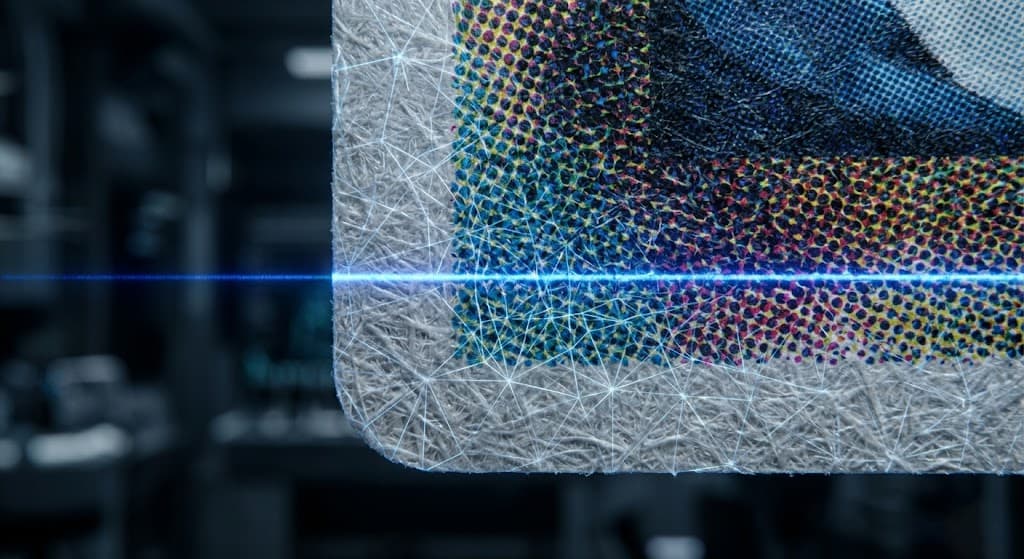
the card has a unique fingerprint.
API Trust Response
{
            "status": "Verified",
            "digital_card_twin_id": "BT-7729-X",
            "integrity_check": "PASS",
            "anti_theft_status": "Secure"
          }
Kill-Switch
02/04A stolen card has no value when it can no longer be authenticated.
Irreversible sentence: a graded card without a clean digital-card-twin can lose up to 90% of market value.
Comparison Evidence
PROTOCOL_LOCK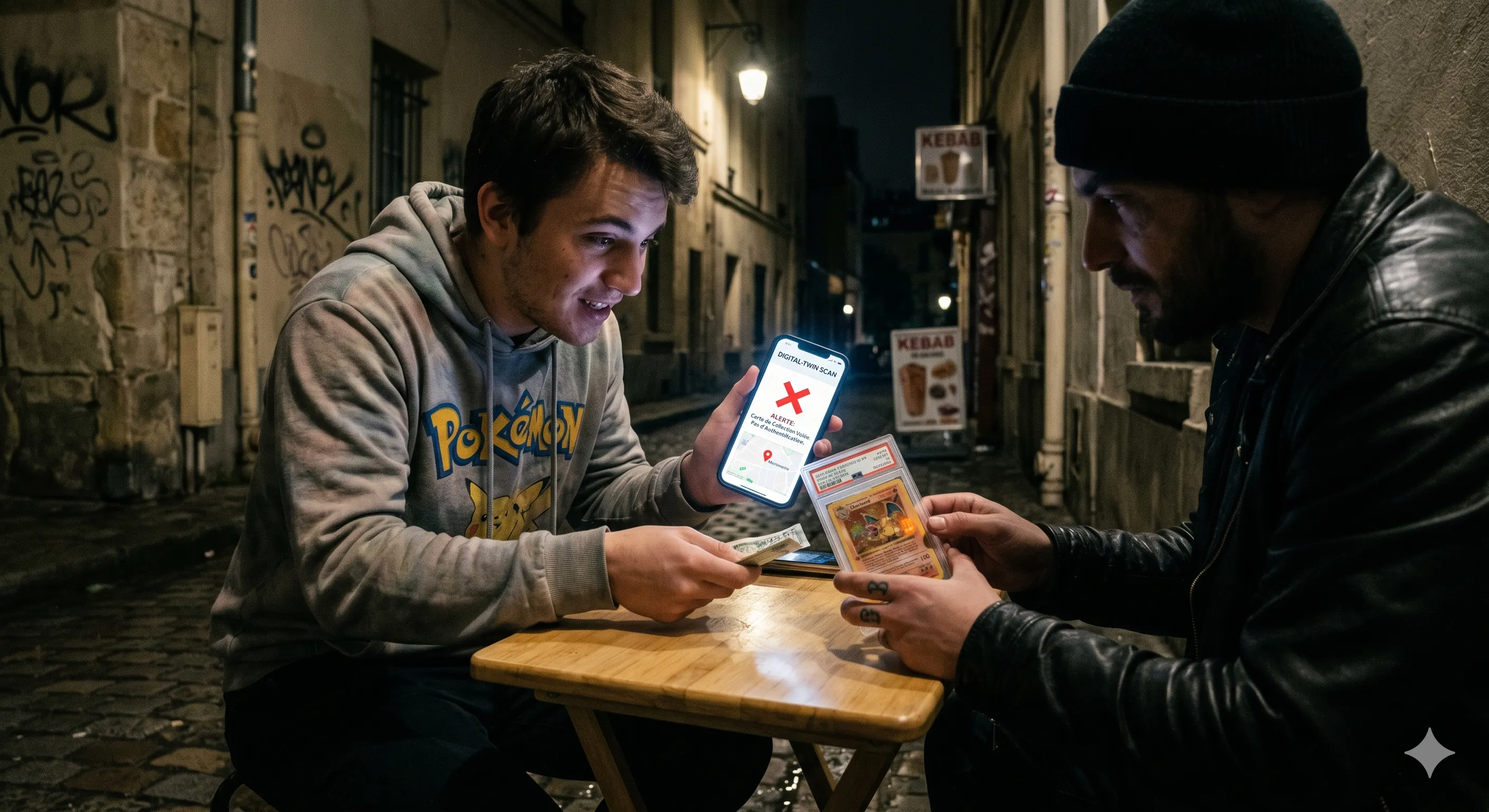
Kill-Switch Protocol
STATUS: STOLEN / BLACKLISTED. The protocol removes the thief's economic incentive.
Certified Ownership
03/04The marketplace handles payment and shipping. DCT secures ownership transfer with transaction lock, buyer-confirmed release, and dispute-aware safeguards.
Result: ownership either settles atomically or remains safely escrowed while dispute evidence is processed.
Comparison Evidence
ATOMIC_TRANSFER
Safety Nets for Edge Cases
Time-lock fallback, evidence-based arbitration, and dispute freeze protect both seller and buyer without breaking chain-of-title integrity.
Trust DCT not Humans
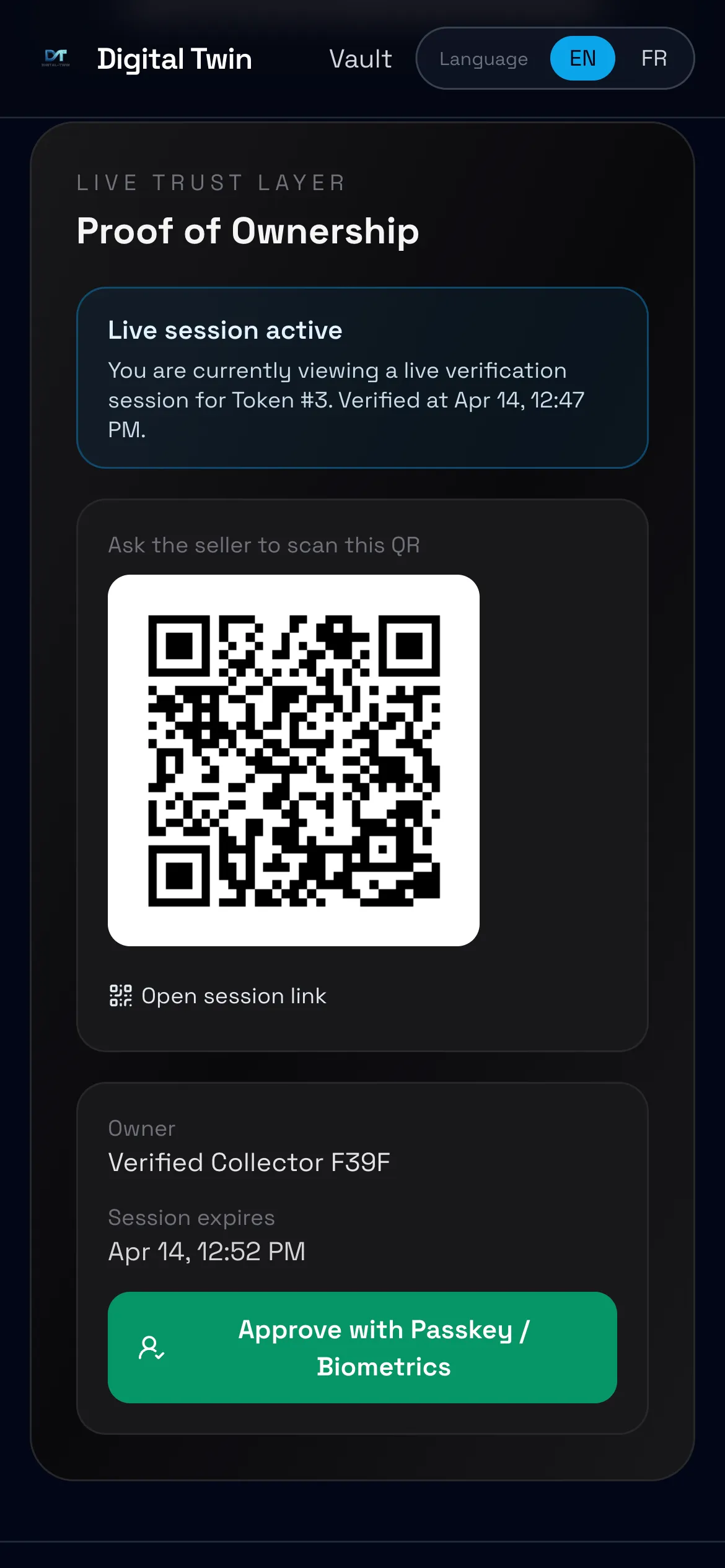
04/04Generate a dynamic QR from your vault. When scanned, the protocol performs a real-time verification to confirm the seller controls the digital title.
Comparison Evidence
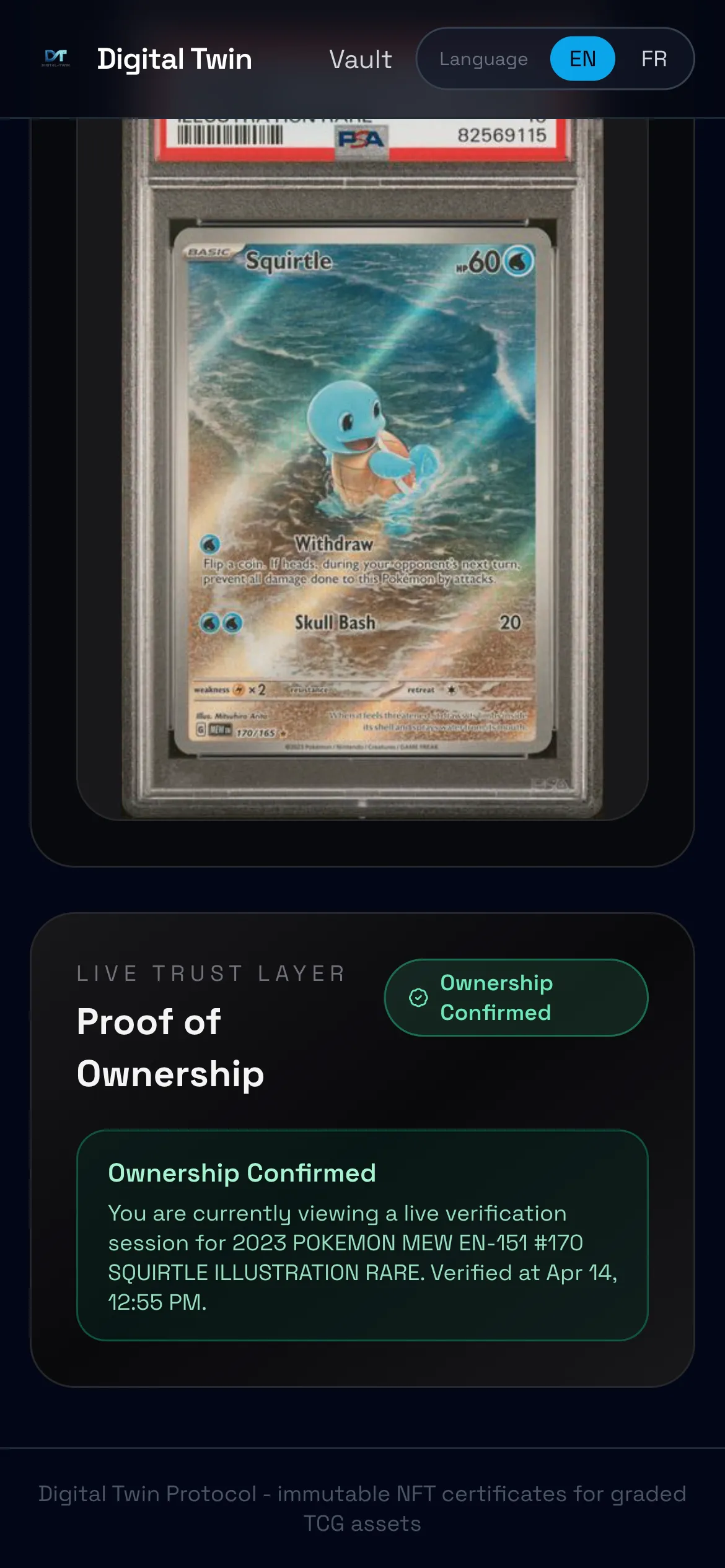
REAL-TIME_VERIFICATIONInstant Public Verification
The check surface validates ownership live and returns a tamper-proof trust signal in seconds.
Short answers for collectors new to digital ownership certificates.
No. You can search a certificate number and read a simple authenticity and ownership result without creating any account.
It is your personal area to manage your digital-card-twin certificates, generate proof links, and report stolen cards.
Use the verification form with the certification number. You get card details, owner signal, and anti-theft status on one page.
It uses cryptographic anchoring to create an immutable record that no one can secretly change. Everyone sees the same ownership history.
Our path to eliminating fraud in the TCG grading market.
Questions about integrations, certificate issuance, or commercial deployment? Reach out directly.
We reply to grading companies, partners, and collectors evaluating the protocol for production use.
Typical topics